How does the 2D technology in the SICK picoScan150 work?
The SICK picoScan150 uses a 2D architecture. Its scanning method drives the field of view, resolution, range and integration constraints.
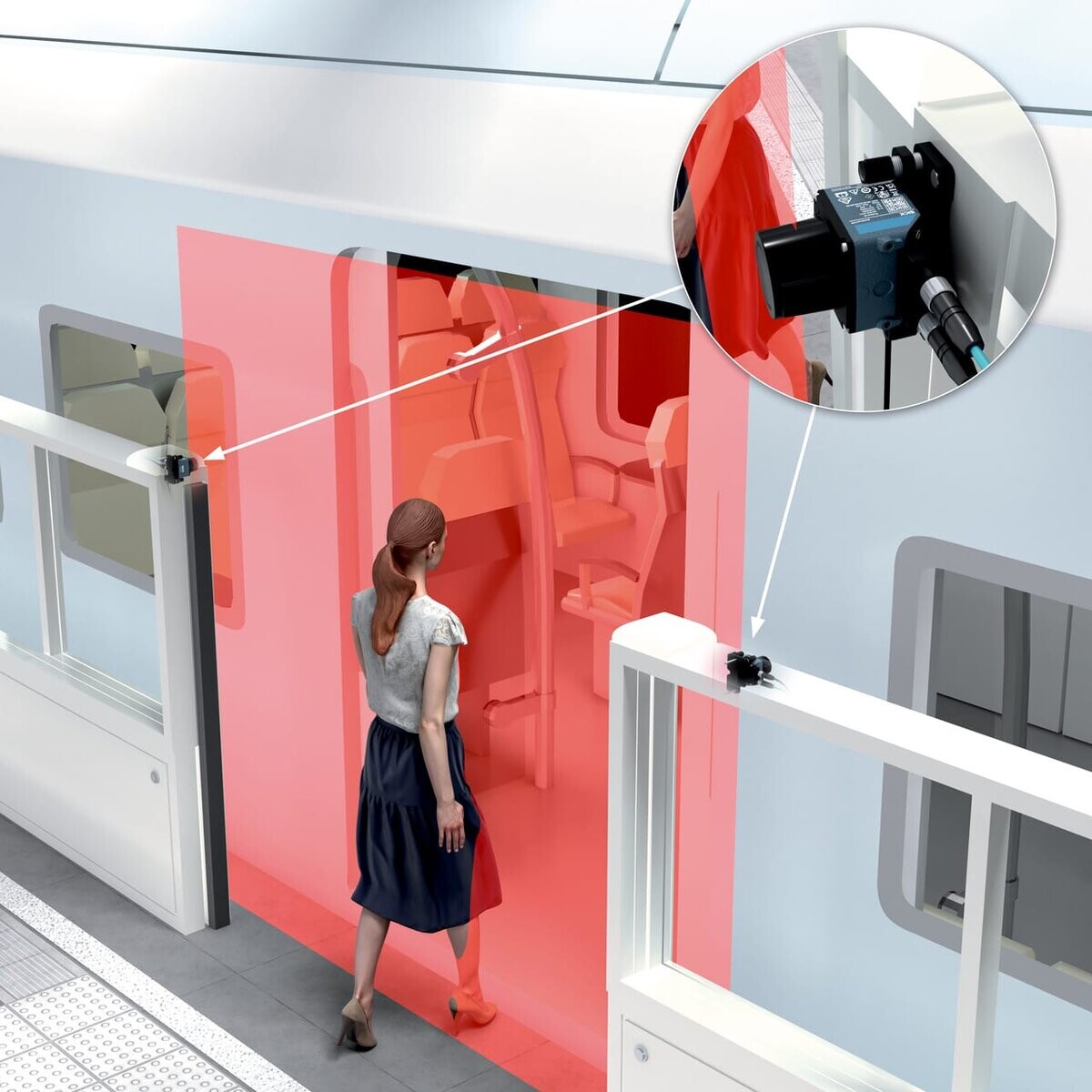
Enhanced picoScan series for AGV navigation and obstacle detection.
Indicative data to verify with manufacturers.
Enhanced picoScan100. Specs to verify on sick.com.
The stated range is 65 m. Actual range depends on target reflectivity and environmental conditions.
Its stated field of view is 276° horizontal by — vertical.
Listed support: Official SICK sick_scan_xd: picoScan150 in the picoScan100 family; ROS 1 / ROS 2. Check the driver version and ROS 2 compatibility before integration.
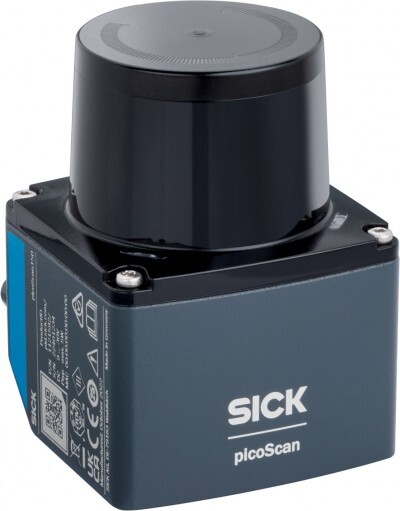
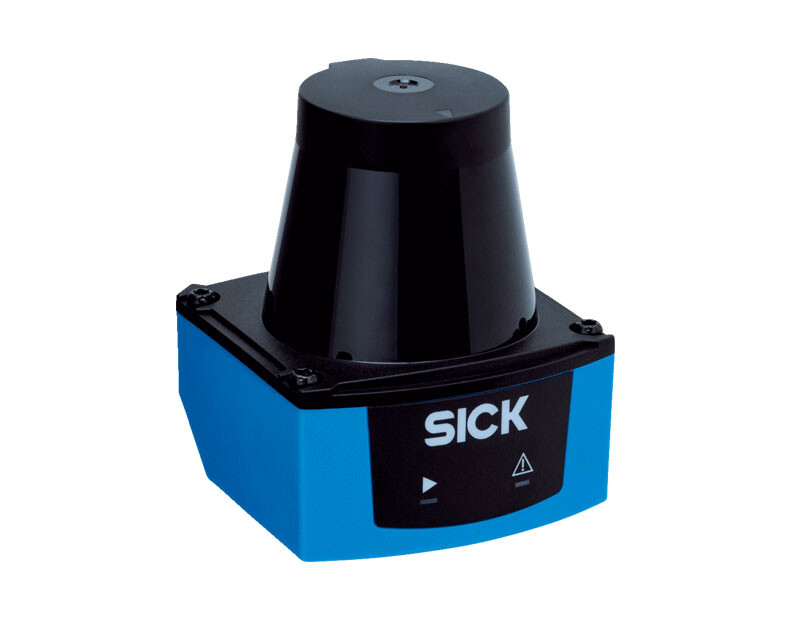
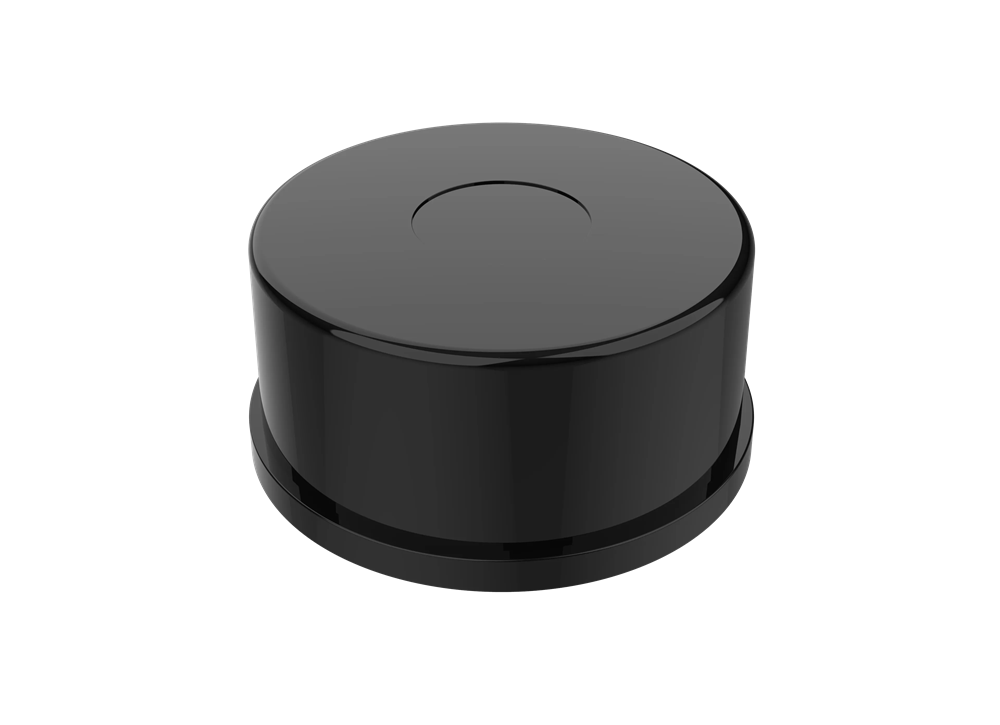
The SICK picoScan150 uses a 2D architecture. Its scanning method drives the field of view, resolution, range and integration constraints.
Outdoor use depends on the IP rating, the temperature range and the weather resistance stated by SICK. These criteria must be checked against the intended environment.
The choice depends on the required range, field of view, resolution and operating environment. Compare these characteristics against your robotics, mapping, industrial or mobility project requirements.
Check the available interfaces, power supply, dimensions, SDK, drivers and data formats. On-site validation is still recommended before any deployment.