Comment fonctionne la technologie Other du SICK picoScan100 ?
Le SICK picoScan100 utilise une architecture Other. Son mode de balayage influence notamment le champ de vision, la résolution, la portée et les contraintes d'intégration.
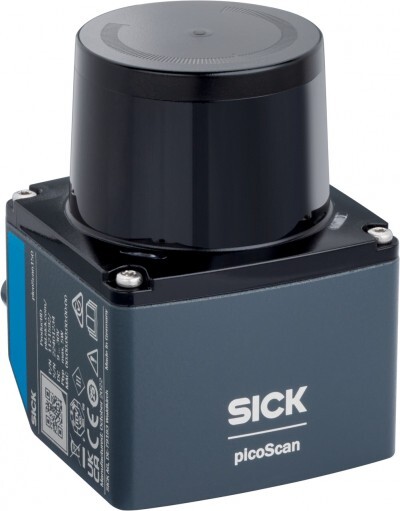
Compact 2D LiDAR for AGV navigation and obstacle detection.
Indicative data to verify with manufacturers.
12 variants. Specs on sick.com.
The stated range is 50 m. Actual range depends on target reflectivity and environmental conditions.
Its stated field of view is — horizontal by — vertical.
Listed support: sick_scan_xd (ROS 2). Check the driver version and ROS 2 compatibility before integration.
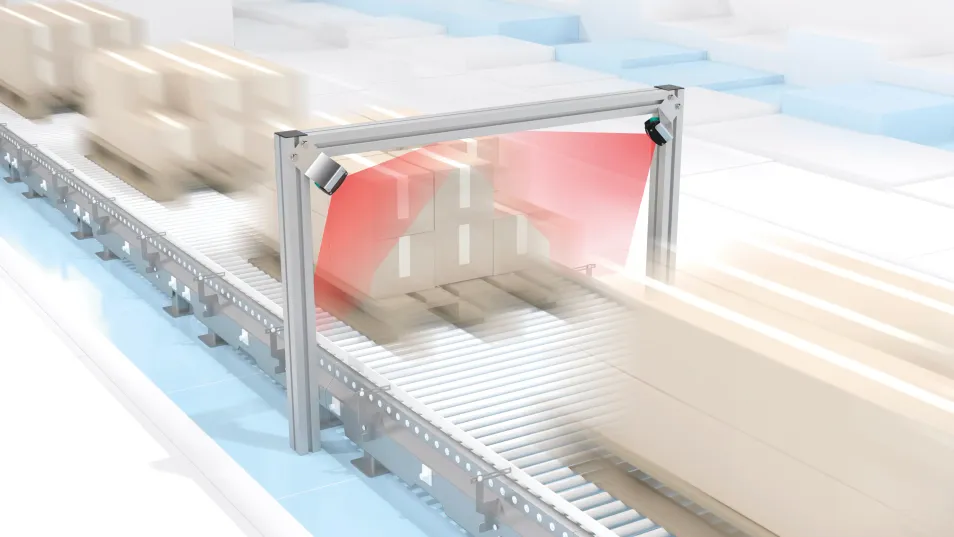
Le SICK picoScan100 utilise une architecture Other. Son mode de balayage influence notamment le champ de vision, la résolution, la portée et les contraintes d'intégration.
L'usage extérieur dépend de l'indice IP, de la plage de température et de la résistance aux intempéries annoncés par SICK. Ces critères doivent être vérifiés pour l'environnement visé.
Le choix dépend de la portée, du champ de vision, de la résolution et de l'environnement d'utilisation recherchés. Comparez ces caractéristiques aux besoins de votre projet de robotique, cartographie, industrie ou mobilité.
Vérifiez les interfaces disponibles, l'alimentation, les dimensions, le SDK, les pilotes et les formats de données. Une validation sur site reste recommandée avant tout déploiement.