What is the field of view of the Hesai ATX?
A solid-state LiDAR usually covers a directional area rather than a full 360° panorama. Check the Hesai ATX specifications for its horizontal and vertical angles to determine how many sensors are required.
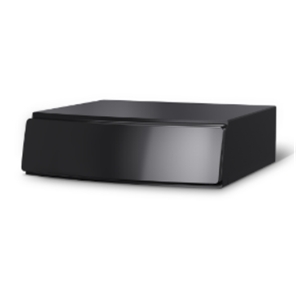
Compact 120° LiDAR, 256 channels, 3.84M pts/s, only 8W.
Indicative data to verify with manufacturers.
230m@10%, 8W. Resolution 0.08°x0.05°.
The stated range is 230 m @10% reflectivity. Actual range depends on target reflectivity and environmental conditions.
Its stated field of view is 120° horizontal by 20° vertical.
Listed support: Vendor SDK and ROS drivers. Check the driver version and ROS 2 compatibility before integration.
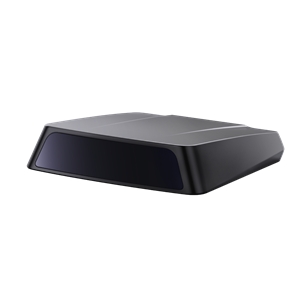
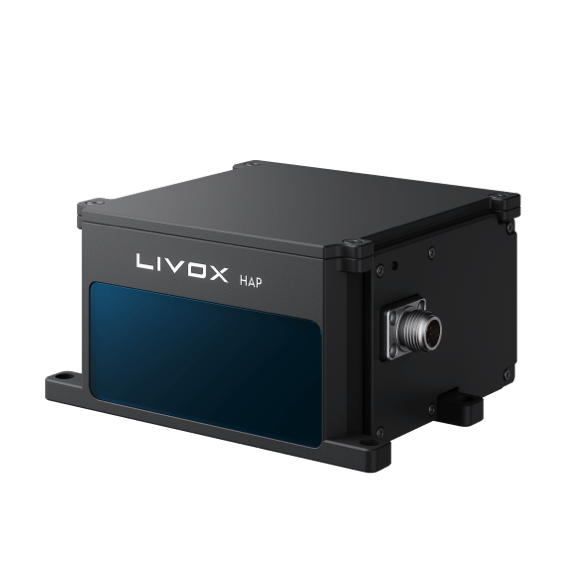
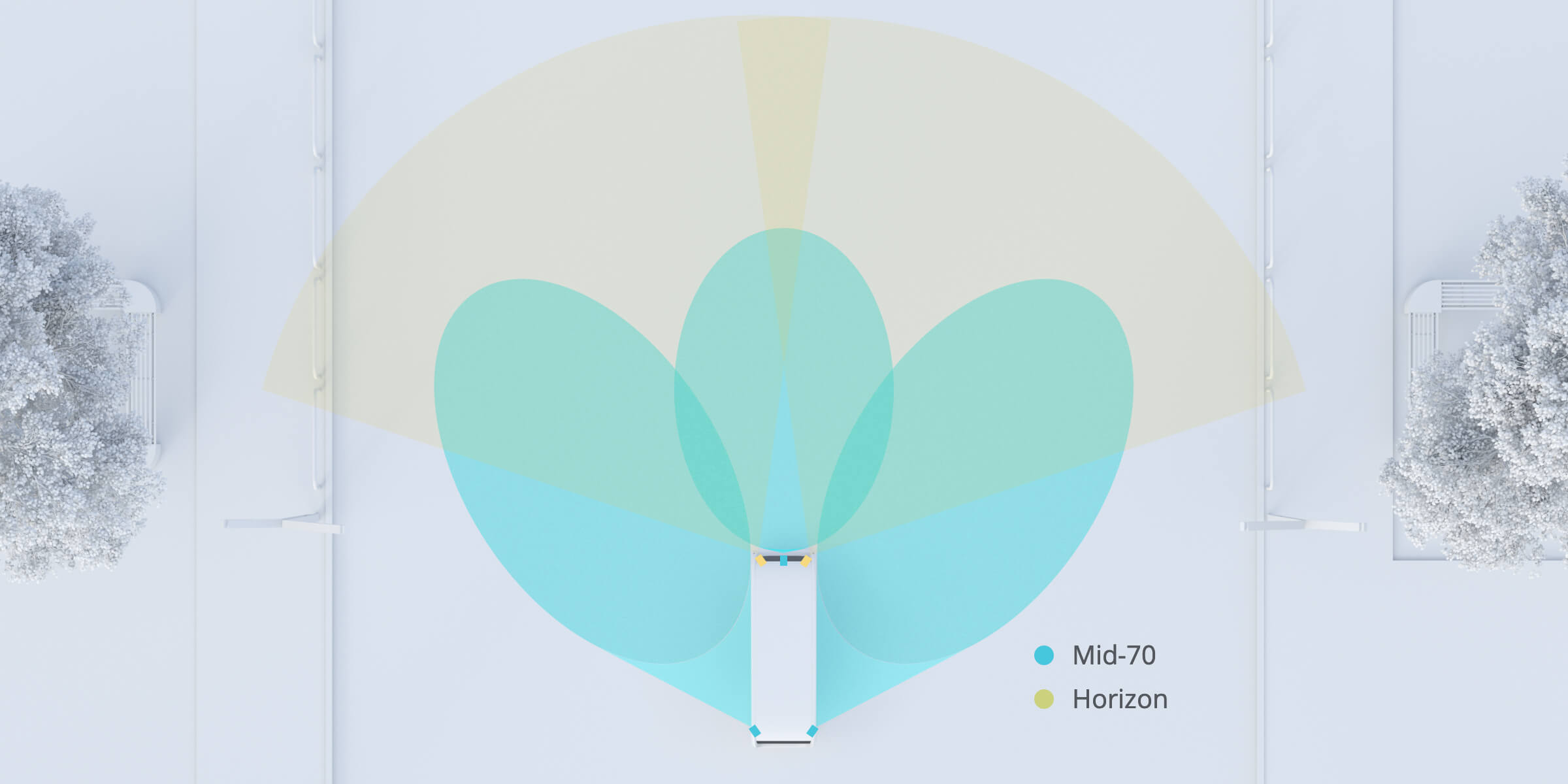
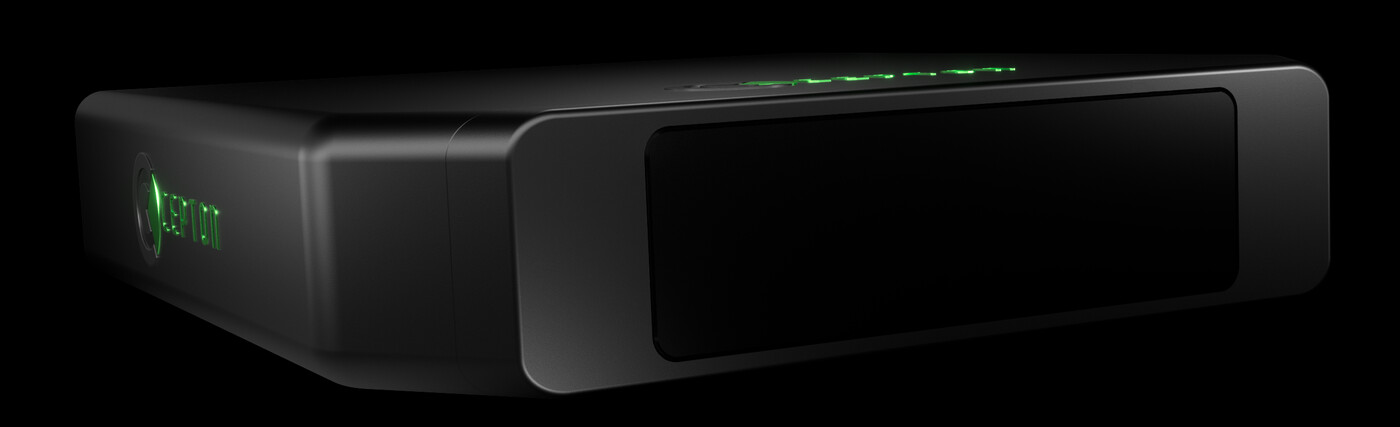
A solid-state LiDAR usually covers a directional area rather than a full 360° panorama. Check the Hesai ATX specifications for its horizontal and vertical angles to determine how many sensors are required.
ROS compatibility depends on the drivers published by Hesai. Check which ROS or ROS 2 release is supported, the point cloud format and the host architecture before integration.
The choice depends on the required range, field of view, resolution and operating environment. Compare these characteristics against your robotics, mapping, industrial or mobility project requirements.
Check the available interfaces, power supply, dimensions, SDK, drivers and data formats. On-site validation is still recommended before any deployment.